Fentanyl stays in your urine for 24 hours to 72 hours, depending on the usage time and does. There are different factors affecting the presence of fentanyl in urine, such as drug type, the time of sample, and the person’s metabolism. It is an effective synthetic opioid that has become a major cause of overdose deaths in the United States of America. Analgesic effects of fentanyl ensure its medical availability to control severe pain.
Fentanyl was basically designed as a pain reliever for the after surgery and cancer treatment. Having potency 50-100 times more than morphine, with the fast-acting effects, makes the Actiq more dangerous for misusing in the street drugs. Let’s explore everything about fentanyl and how you can keep yourself safe from its effects.
What is Fentanyl?
Fentanyl is a Schedule II prescription that is useful for pain relief. It is available in different forms, such as tablets, injections, and transdermal patches, to treat pain of different diseases, including cancer and surgery. However, it is being illegally mixed with different drugs like cocaine and heroin to boost the potency, increasing the risks of overdose.
Fentanyl Half-Life
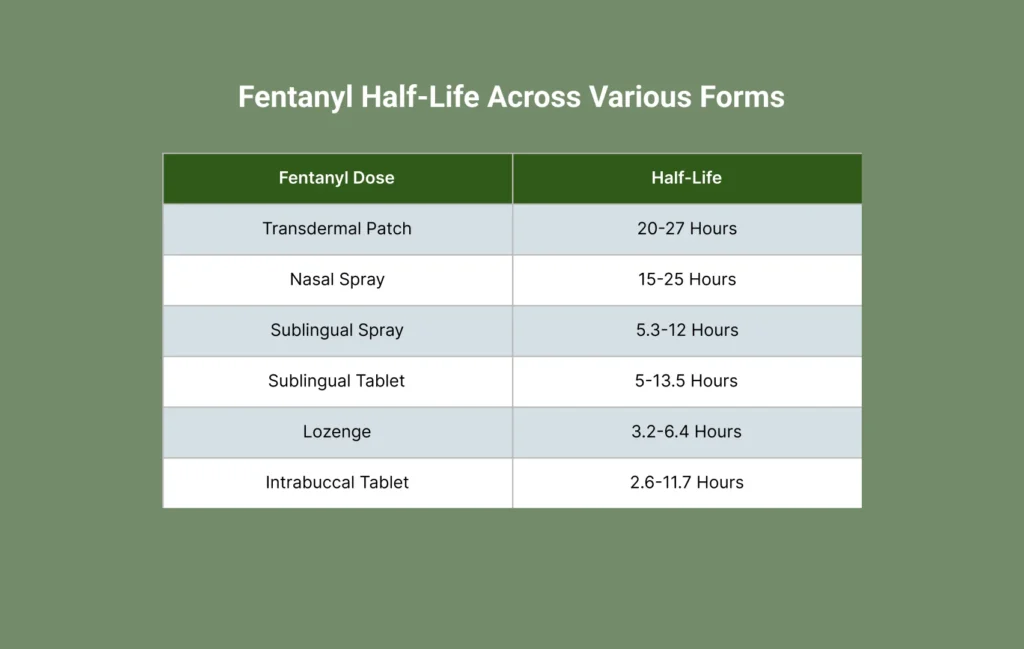
The half-life of fentanyl represents how long half of the dose stays in your body before elimination. CYP3A4 (enzyme) in the liver is responsible for breaking down fentanyl. After that, the drug will be eliminated from the urine. The half-life cycle of fentanyl varies according to dose type. Usually, 5 half-lives are required for removing the drug from your system.
Actiq Regulations
Fentanyl is a controlled substance in the United States due to its potential for physical and psychological dependence. Therefore, using the Actiq without a medical prescription is illegal and prohibited. Unfortunately, fentanyl is illegally used for addiction, and people put their lives at risk with the misuse of the Actiq.
Actiq is prescribed only for the Risk Evaluation and Mitigation Strategy (REMS) for medication. If you or your loved ones are addicted to fentanyl, we are here to help you get rid of Fentanyl Addiction by spotting the symptoms and using different options for treatment.
Most Abused Opioid
The opioid epidemic is the most abused opioid with no solution at the current time. The National Institute on Drug Abuse reported that more than 115 people die daily from overdoses of opioids. Opioid overdosing is affecting both the country’s economy and healthcare system, according to the Centers for Disease Control and Prevention. Fentanyl is the most misused opioid, and 80% of people addicted to heroin had misused opioids at first.
What is the Metabolization of Fentanyl?
The higher lipophilicity of fentanyl ensures the absorption into the bloodstream and distribution to the tissues of your body. The liver breaks down the fentanyl into inactive metabolites, which are then moved to the urine.
The administrative approach impacts the half-life of fentanyl. For instance, you can take a look at the half-life representing the required time to metabolize the fentanyl:
- 2-4 hours for IV fentanyl.
- 5-15 hours for lozenge.
- 17 hours after the removal of the transdermal patch.
How Long Does Fentanyl Stay in Your Urine?
You can measure how long fentanyl stays in your pee. A urine test is a common option to determine the presence of fentanyl. It allows you to detect the Actiq in our urine within 24 to 72 hours. However, time can be extended depending on the dose type and use time.
Factors Influencing Fentanyl Stay in Your Body?
The metabolism of fentanyl is not the same for two people, depending on different factors, which we are going to discuss here.
- Administration Method: There is a rapid release of patches from IV and a slower release of patches.
- Age and Metabolism: Yong people eliminate drugs faster than older people.
- Body Mass and Fat Content: The fat solubility results in storage within fatty tissues and slow release.
- Frequency and Dose: Frequent use and higher doses can extend the detection time.
- Kidney Health and Hydration: Both factors affect how fentanyl is flushed out of your body through urine.
- Live Function: The functionality of an impaired liver can slow the elimination of fentanyl from the urine.
What are the Uses of Fentanyl in the Medical Field?
Fentanyl is being used in the medical field in different ways under strict supervision, depending on the prescription of the drug and the clinical condition.
- Intravenous (IV) Injection: It is commonly used in hospitals as a pain reliever for surgery or acute pain management.
- Lozenges and Tablets: Placing under the tongue or between the cheek and gum ensures quick absorption and pain relief.
- Nasal Spray: It is ideal for fast absorption, offering fast-acting pain relief.
- Spinal or Epidural Injection: Healthcare professionals inject fentanyl directly into the spinal fluid or epidural space during the surgery or childbirth.
- Transdermal Patches: The application of patches on the skin for slow injection of fentanyl within 48-72 hours to manage chronic pain.
Dangers or Side Effects of Fentanyl and Overdosing
Fentanyl overdosing can result in serious side effects and eventually death. Therefore, you need to consider the risks associated with illicit fentanyl.
- Anxiety and Agitation: The dangers of fentanyl include agitation, confusion, and anxiety.
- Depression: Fentanyl can slow down breathing and cause respiratory arrest, which can result in suicidal thoughts and eventual death.
- Dependence and Tolerance: You can become dependent on fentanyl in case of tolerance to fentanyl.
- Body Pain: The risk of stomach, back, and chest pain due to the side effects of Actiq.
- Change in Blood Pressure and Heartbeat: It alters heart rate or blood pressure, resulting in serious health challenges.
- Diarrhea: This side effect can lead to dehydration.
- Vomiting and Nausea: Fentanyl overdosing can result in nausea and vomiting.
- Long-Term Health Problems: There are different side effects, such as memory loss, kidney damage, or liver issues.
- Sleep Issues: Fentanyl can also trouble your sleep, causing nightmares or insomnia.
How Does Actiq Affect Body and Mind?
Actiq can powerfully affect your mind and body as compared to other opioids. It changes the pattern of sending signals about the body pain to the mind. Fentanyl can negatively affect the central nervous system while creating a higher euphoria. Therefore, you can feel like nodding off due to the active ingredients of fentanyl or Actiq. The side effects include the development of an addiction habit and lower blood pressure.
What are the Symptoms of Fentanyl Withdrawal from the Body?
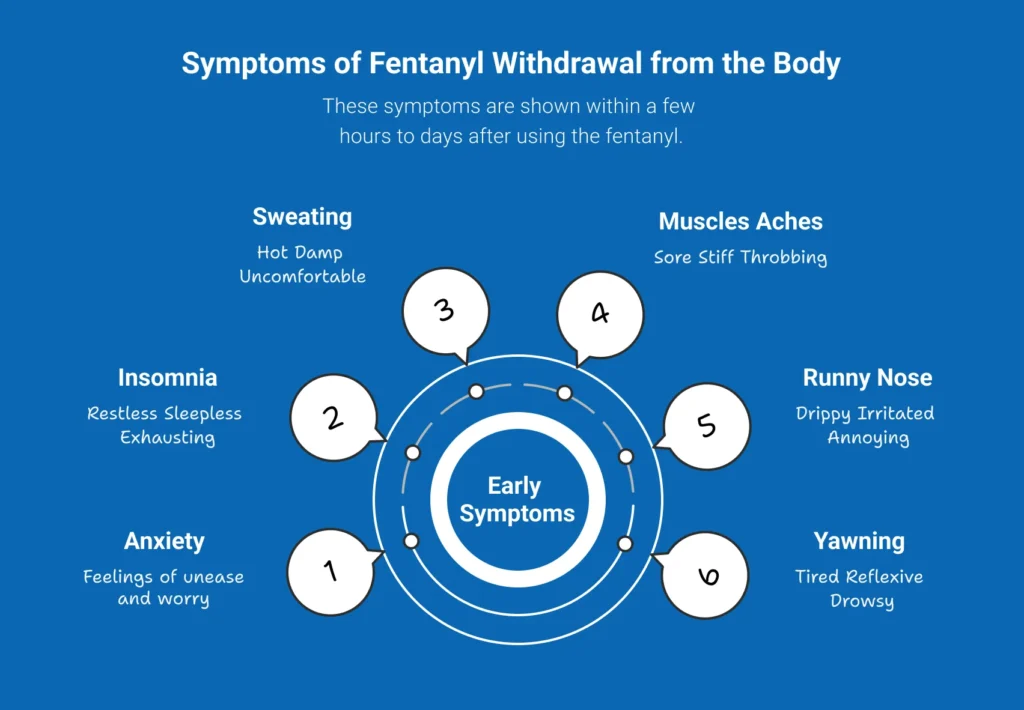
There are different types of fentanyl symptoms that help you start your rehabilitation from MD Rehab Center, where professionals are ready to provide the best medical assistance. You need to consider both early and later symptoms for a better understanding.
Early Symptoms:
These symptoms are shown within a few hours to days after using the fentanyl.
- Anxiety
- Insomnia
- Sweating
- Muscles Aches
- Runny Nose
- Yawning
Later Symptoms:
These symptoms can last for a few days to weeks after the last use.
- Abdominal Cramp
- Diarrhhea
- Fast Heart Rate
- Higher Blood Pressure
- Severe Drug Craving
- Vomiting and Nausea
What is the MAT Approach for Opioid Addiction Treatment?
Medication-assisted treatment (MAT) is an ideal approach to treat opioid addiction. The primary purpose of focusing on MAT is to reduce overdose risks, withdrawal symptoms, and craving. The National Institute of Drug Abuse (NIDA) lists the most frequent medications to deal with fentanyl.
- Buprenorphine: A partial opioid agonist, which is used to reduce craving while ensuring no overdose due to the ceiling effect.
- Methadone: A full opioid agonist, which is an ideal option to mimic the fentanyl effects while reducing craving.
- Naltrexone: It is a full antagonist that prevents the mind from experiencing the effects of opioids while reducing the craving.
Behavioral Therapies for Opioid Abuse
You can consider common behavioral therapies for opioid abuse:
- Cognitive Behavioral Therapy (CBT): It focuses on the identification and modification of negative thought patterns to aid with relapse prevention while controlling the cravings.
- Contingency Management (CM): It utilizes consequences or rewards to ensure positive behavior, such as staying sober.
- Motivational Interviewing (MI): It helps individuals find the internal motivation to start avoiding addiction.
Medical Detox Program
An opioid detox program provides medical intervention for the comfortable and safe opioid withdrawal. These programs consist of behavioral therapies and medications for reducing withdrawal symptoms. We offer comprehensive programs in the presence of expert staff and a proven success rate.
Contact Us Today for Quick Recovery
It’s time to get professional medical help when you or your loved ones have no clue how long fentanyl can stay in the urine system. We are ready you assist you when you are looking to step towards a healthier lifestyle.
Get the Best Medical Assistance Today
How long is urine positive for opioids?
Urine is positive for 1-3 days for opioids after the last dose.
Is fentanyl positive on a urine drug screen?
A urine drug screen can’t detect fentanyl because it is a synthetic opioid.
How long does fentanyl take to get out of urine?
Fentanyl usually takes around 7 days to get out of the urine.